


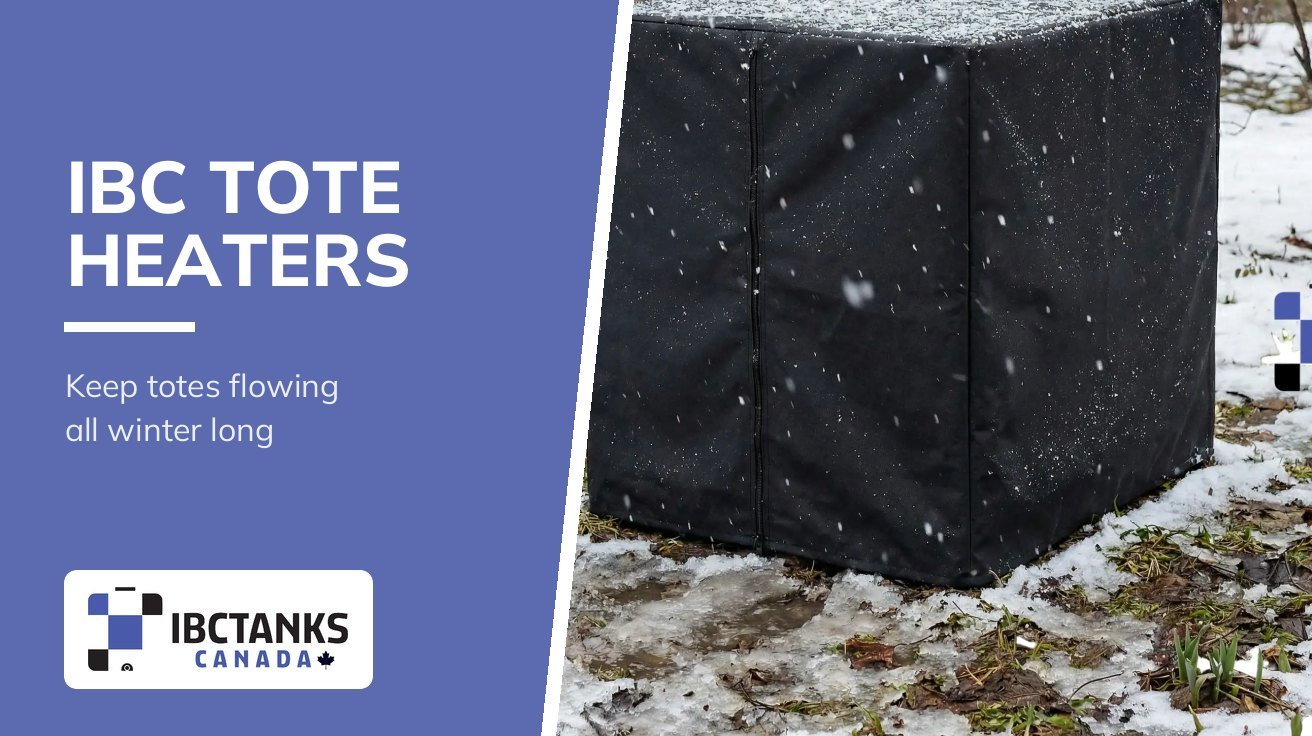

Quick answer: an IBC tote heater keeps the liquid in a 1000 L (275 gal) or 1250 L (330 gal) tote above its freezing or pour point. The three main types are base pad heaters (a flat pad under the bottle), wrap-around blankets and immersion heaters. Pair any heater with an insulated or weatherproof cover for the best results in a Canadian winter.
| Heater type | Where it sits | Best for |
|---|---|---|
| Base pad heater | Between the pallet and the bottle | Flat-bottom totes, steady warming from below |
| Wrap-around blanket | Around the cage or bottle | Faster warm-up, outdoor totes, insulation built in |
| Immersion heater | Through the top fill opening | Direct heat where the product is compatible |
An IBC tote heater is the simplest way to stop a 1000 litre tote from freezing solid, or to keep a thick product like honey, molasses or oil warm enough to pour. If you store totes outside, in an unheated barn or in a cold warehouse anywhere in Canada, a heater and a good cover can be the difference between a tote you can use all winter and a cracked bottle in March.
This guide explains how tote heaters work, which type suits your liquid, how to install one safely and what else you can do to winter-proof your totes.
Shopping for the tote itself? Compare 1000 litre IBC totes for sale: new, rebottled and reconditioned, with prices in CAD.
Why IBC Totes Need Heat in a Canadian Winter
A standard IBC tote is an HDPE plastic bottle inside a galvanized steel cage, mounted on a pallet. That design is tough, but it was never meant to hold a block of ice. When water freezes it expands by roughly 9% in volume. Inside a closed tote, that expansion pushes on the bottle walls, the valve and the fill cap all at once.
The damage usually shows up in a few predictable places:
- The bottom valve: the valve and its outlet hold a small pocket of liquid that freezes first. Ice in a ball or butterfly valve can crack the housing or tear the gasket.
- The bottle walls: HDPE stays fairly flexible in the cold, but it becomes less forgiving of impacts. A frozen tote that gets bumped by a forklift is far more likely to split.
- The fill cap and vent: a full tote with no headspace has nowhere for expanding ice to go.
Water is not the only concern. Many liquids stored in totes either freeze or thicken badly in the cold. Diesel exhaust fluid, for example, starts to freeze at about -11 °C (12 °F), which is why we cover cold-weather storage in our guide to diesel exhaust fluid totes. Oils, syrups, glycerin and some chemicals do not freeze at those temperatures, but they can become too viscous to drain through a 2 inch valve.
Freezing Versus Thickening
It helps to be clear about what you are fighting, because it changes the setup:
- Freeze protection: for water, rainwater and water-based products. The goal is to keep the liquid a few degrees above 0 °C, not to make it warm.
- Viscosity control: for honey, molasses, vegetable oil, lubricants and similar products. The goal is to hold the product at a set temperature so it pours at a useful rate.
Freeze protection needs less heat but runs for long periods. Viscosity control often needs a higher, steadier temperature and good insulation so the heater is not running flat out all day.
The Three Main Types of IBC Tote Heaters
Every tote heater does the same job, but they deliver heat in different ways. The right choice depends on your tote, your product and where the tote sits.
Base Pad Heaters
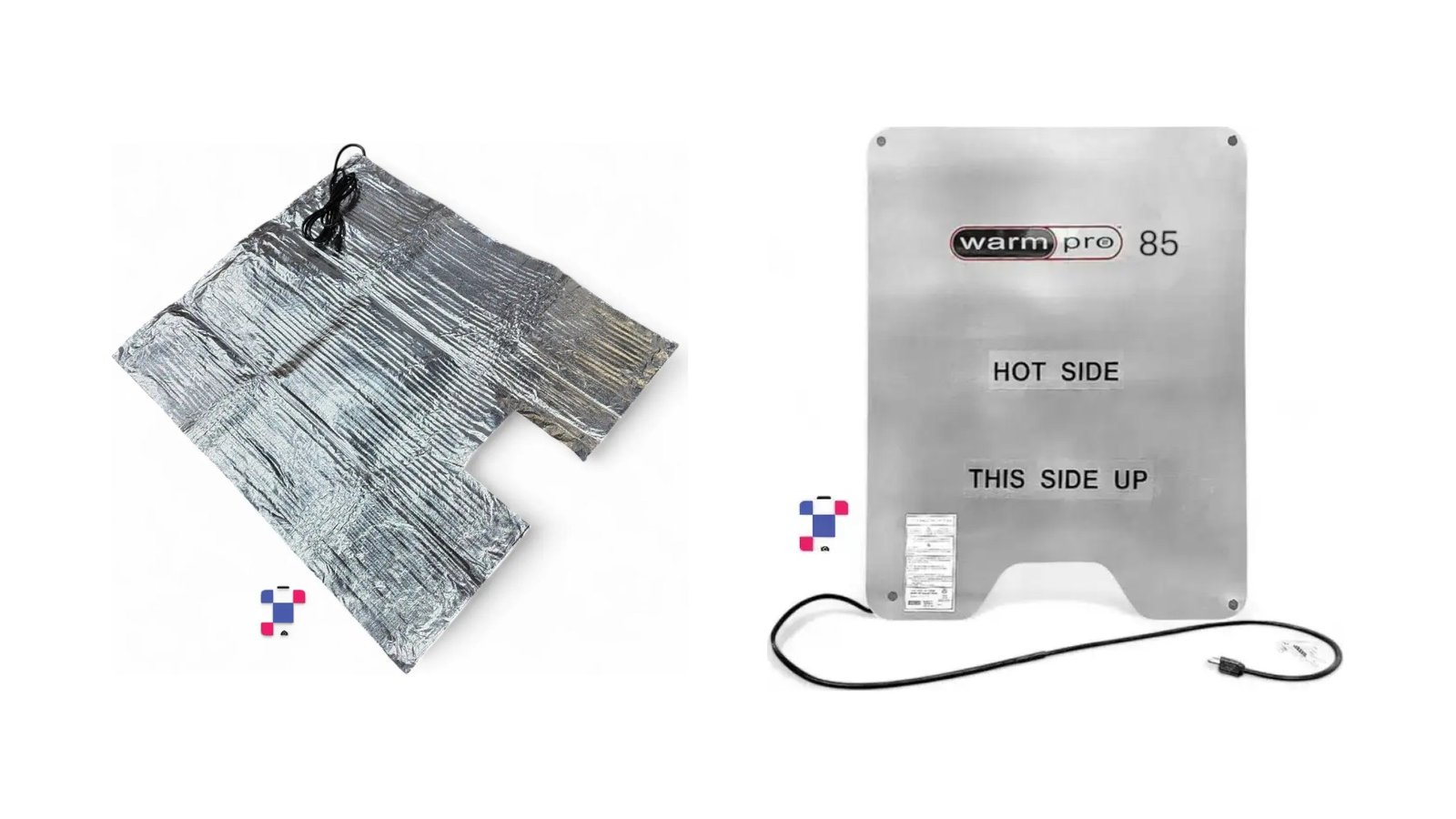
A base pad heater is a flat heating element that sits between the tote pallet and the bottom of the bottle. Heat rises through the liquid from below, which creates a gentle circulation inside the tote. Because the pad sits under the bottle, it is protected from the weather and from knocks.
Our new aluminium foil base pad heater is a good example. It is sized for flat-bottom 1000 L and 1250 L (275 and 330 gal) totes, including Schutz, Mauser and Greif bottles, runs on a standard 110 to 120 V supply and is rated to 85 °C. We also stock tested, refurbished WarmPro base pads when they are available, listed in our IBC tote heater category.
Wrap-Around Blankets and Jackets
Heating blankets wrap around the outside of the tote and usually include insulation and a thermostat. They warm a larger surface area than a base pad, so they bring a cold tote up to temperature faster. The trade-off is that they sit on the outside of the cage, where they are exposed to weather and handling, and they need to be removed or opened to inspect the tote.
Immersion Heaters
Immersion heaters go through the top fill opening and sit directly in the liquid. They are efficient because all of the heat goes straight into the product, but they bring the heating element into contact with whatever you are storing. Only use one if the element and its sheath are compatible with your product, and never with flammable liquids unless the heater is specifically rated for that use.
IBC Tote Heater Comparison
| Feature | Base Pad | Blanket / Jacket | Immersion |
|---|---|---|---|
| Contact with product | No, heats through the bottle | No, heats through the bottle | Yes, sits in the liquid |
| Weather exposure | Low, protected by the pallet | Higher, on the outside of the cage | Low, but the top opening must stay sealed |
| Warm-up speed | Steady | Faster | Fastest |
| Fits | Flat-bottom 1000 L and 1250 L totes | Depends on the blanket size | Depends on the fill opening |
| Best for | Freeze protection, long-term storage | Viscous products, outdoor totes | Compatible liquids that need quick heat |
Rule of thumb: if you mainly need to keep water from freezing, a base pad plus a weatherproof cover is usually enough. If you need to hold a thick product at a pouring temperature, look for a heater with a thermostat and add insulation so it is not working against the wind.
How to Choose the Right Tote Heater
Before you order, answer four questions. They will narrow the choice quickly.
1. What Is in the Tote?
Start with the product. Check its freezing point or the temperature at which it becomes too thick to pour, and check the maximum temperature it can safely be held at. Food products, chemicals and fuels all have different limits. If you are storing food or drink ingredients, the heater should not create hot spots that could scorch or degrade the product.
2. What Bottle Do You Have?
Base pad heaters are designed for flat-bottom bottles on standard pallets. Measure your tote before you buy, especially if it is an older or less common design. Our guide to IBC tote dimensions lists the standard 1000 L and 1250 L sizes. Also check the bottle manufacturer’s maximum temperature rating. HDPE softens as it gets hotter, so the heater setting must stay below what the bottle is rated for.
3. Where Will the Tote Sit?
A tote inside a heated shop needs very little help. A tote in an open yard in Saskatchewan or northern Ontario needs a heater and an insulated cover, and possibly a windbreak. Wind strips heat from a bare cage much faster than still air does.
4. What Power Is Available?
Most tote heaters for small and mid-sized operations run on a standard 110 to 120 V outlet. Confirm the outlet is rated for outdoor use and protected by a ground fault circuit interrupter (GFCI), and that any extension cord is rated for outdoor use and the heater’s current draw.
Installing a Base Pad Heater Safely
A base pad is the easiest heater to fit, but it still needs a little care. Follow the instructions supplied with your heater first. As a general sequence:
- Empty or lift the tote: never try to slide a pad under a full tote. A full 1000 L tote of water weighs over 1,000 kg. Lift it with a forklift by the pallet, never by the cage.
- Clean the pallet deck: remove grit, screws and anything sharp that could damage the pad or the bottle.
- Position the pad hot side up: many pads, including WarmPro models, are clearly marked with the side that faces the bottle. Route the cord so it will not be pinched by the cage or pallet.
- Lower the tote gently: the bottle should sit flat on the pad with full contact.
- Fill before you power up: do not run a heater under an empty or nearly empty tote. The liquid absorbs the heat.
- Protect the cord: keep the plug off wet ground and away from where forklifts travel.
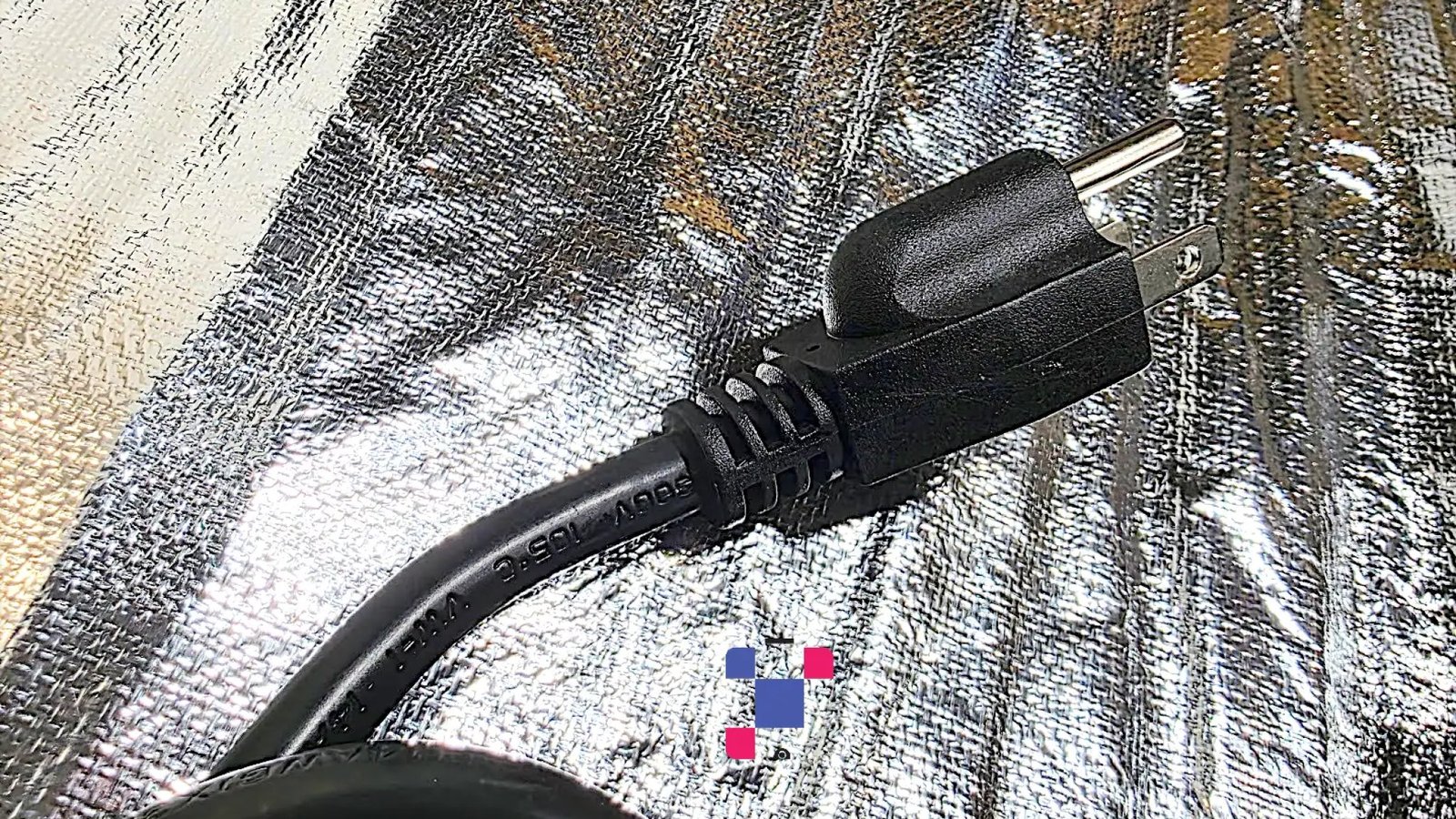
If the tote sits on a spill pallet or containment skid, make sure the heater cord and plug stay out of the sump. Our guides to choosing a spill containment pallet and spill containment skids cover how those systems are laid out.
Insulation and Covers: Half the Job
A heater adds heat. A cover keeps it there. Without one, a large share of the heater’s output is lost through the bare cage and the exposed bottle, especially on windy days.
A weatherproof IBC tote cover also blocks UV light, keeps snow and ice off the fill cap and stops grit from getting into the valve area. Our IBC tote covers are sized for standard 1000 L (275 gal) cages and come in 210D, 420D and 600D Oxford fabric. The heavier 600D cover is the more durable choice for long-term outdoor storage, and the front zip panel lets you reach the valve without pulling the whole cover off.
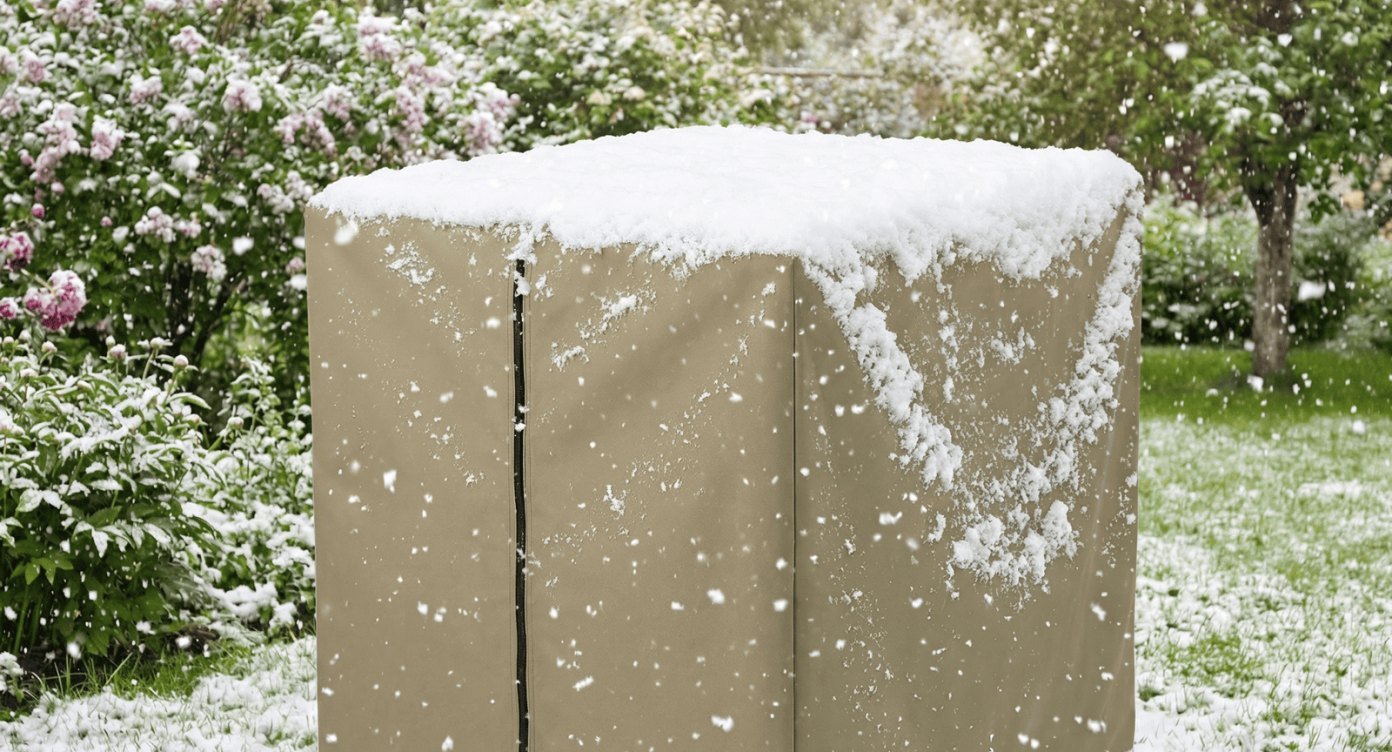
If you are storing drinking water, a cover also protects the bottle from sunlight in the warmer months, which helps limit algae growth. We explain the other steps for safe drinking water storage in our guide to potable water storage tanks.
Other Ways to Winter-Proof Your Totes
A heater is not always the answer. If the tote does not need to be in use over winter, these steps may be cheaper and just as effective.
Drain It Completely
An empty tote cannot freeze. For rainwater and garden totes that sit idle from November to April, draining is the simplest option. Open the bottom valve, let it empty fully, then leave the valve open or remove the dust cap so trapped water can escape.
Protect the Valve
The valve is the weak point in any cold snap. If you must keep the tote partly full, insulate around the valve, keep the dust cap on and avoid leaving water sitting in hoses or adapters attached to the outlet. A cracked valve is an easy fix with a replacement IBC tote valve, but it is far better to prevent it. When you do replace a valve, match the bottle outlet (62 mm or 75 mm) and choose an EPDM or Viton gasket to suit the product.
Leave Headspace
Never fill a tote you expect to freeze to the brim. Leaving space at the top gives expanding ice somewhere to go and reduces the stress on the bottle and cap.
Move It Indoors
Sometimes the best heater is a building. If you only need a tote or two through winter, moving them into a heated space may cost less than running heaters for five months.
Who Uses Tote Heaters?
We see heaters used across a wide range of Canadian operations:
- Farms: keeping livestock water, liquid feed supplements and molasses usable through the cold months.
- Food and beverage producers: warming honey, syrups and oils so they flow into processing lines. Our food and beverage IBC totes page covers which totes suit food use.
- Construction and industrial sites: protecting water-based products and liquid admixtures that are delivered and stored in totes. This comparison of IBC totes versus bulk tankers for liquid admixtures shows how common tote delivery is on job sites.
- Fleets: preventing DEF from freezing in yards and shops.
Your Questions About IBC Tote Heaters, Answered
Can I Use a Tote Heater on a 1250 Litre Tote?
Yes, as long as the heater is sized for it. The base pad heaters we sell are made for flat-bottom 1000 L and 1250 L (275 and 330 gal) totes. A 1250 L tote holds more liquid, so it will take longer to warm up from cold. Check the dimensions of your tote against the heater before ordering.
How Long Does It Take to Heat a Full Tote?
It depends on the starting temperature, the outdoor temperature, the product and whether the tote is insulated. A full 1000 L tote holds a lot of thermal mass, so warming from very cold can take many hours or even a day or more. For freeze protection, it is much easier to keep a tote above freezing all winter than to thaw it once it has frozen. Switch the heater on before the first hard frost.
Is It Safe to Leave a Tote Heater Running Unattended?
Tote heaters are built for continuous use, but they still need sensible precautions. Use an outdoor-rated, GFCI-protected outlet, keep the tote filled above the heater, check the cord regularly for damage and follow the manufacturer’s temperature limits for both the heater and the bottle. If the product is flammable, use only equipment specifically rated for that hazard and follow your site’s safety rules.
Can I Thaw a Frozen Tote With a Heater?
You can, but do it slowly and check for damage first. If the valve or bottle has cracked, the tote will leak as the ice melts. Stand the tote in containment, open the fill cap so pressure can escape and keep an eye on it until it has fully thawed. If the bottle is damaged, a rebottled IBC tote, which pairs a reused cage with a brand-new bottle, is a practical replacement.
Do I Need a Heater If My Tote Is Indoors?
Usually not, if the building stays above freezing. Unheated warehouses, barns and sheds are a different story. They can drop well below 0 °C on cold nights, so treat them like outdoor storage for freeze protection.
At IBC Tanks Canada, we stock tote heaters, weatherproof covers, replacement valves and the totes themselves, all shipped from Mississauga with local pickup available. Get your totes ready for winter and browse the full range at https://ibctanks.ca.


